Skilled Refrigeration & Appliance Repair: Maintain Your Household's Smooth Operation
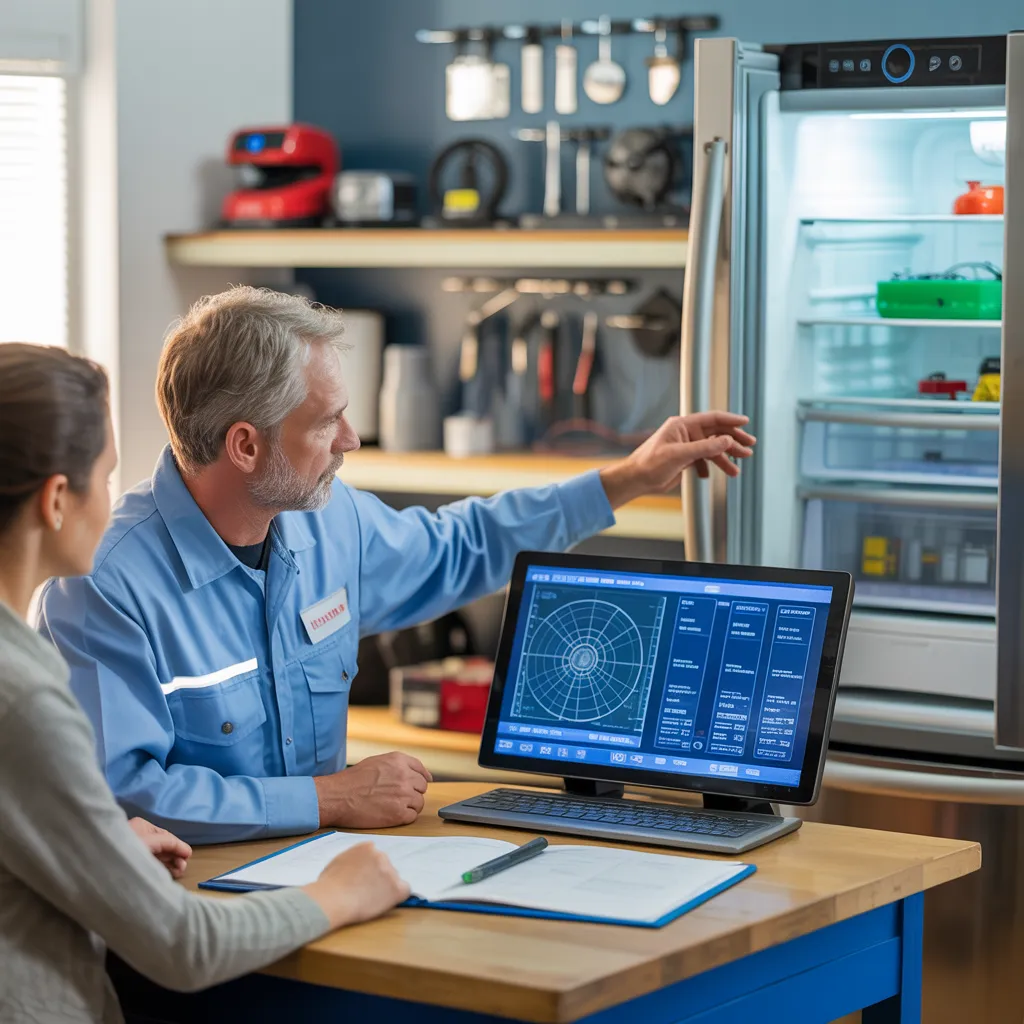
Preserving a well-operating home environment depends greatly on expert refrigeration and appliance repair services. When appliances display signs of malfunction, immediate intervention by qualified technicians becomes essential. These professionals not only detect issues but also offer customized solutions that can increase the lifespan of your devices. Understanding the significance of these services raises questions about how to recognize problems and pick the right technician for your needs.
Recognizing When Your Appliances Require Repair
What are the signs that an appliance needs repair? Multiple indicators may suggest that an appliance calls for professional help. Strange sounds, like grinding or rattling, often point to mechanical troubles. If an appliance fails to perform its primary function—like a refrigerator not cooling or a dishwasher not cleaning—this is usually a obvious indicator. In addition, increased energy bills may signal inefficiency, revealing that something is wrong.
Physical indicators, like leaks or rust, shouldn't be ignored. Appliances that give off odd odors or have a burnt smell may be malfunctioning and can present safety hazards. Furthermore, repeated cycling on and off may signal electrical problems. Observing these symptoms will help homeowners pinpoint when professional assessment and repair are needed, thereby ensuring the lifespan and efficiency of their appliances. Spotting these symptoms in a timely manner helps prevent more damage and decrease repair costs.
Benefits of Expert Appliance Repair Services
Expert appliance repair services provide professional diagnosis and customized solutions, ensuring that issues are resolved efficiently. By employing these services, homeowners can conserve both time and finances, avoiding the pitfalls of DIY repairs. This method not only extends appliance lifespan but also reduces the likelihood of additional problems.
Expert Assessment And Solutions
The expertise of trained technicians in appliance repair offers invaluable benefits to homeowners facing malfunctioning equipment. These professionals possess a deep understanding of different brands and models, allowing them to accurately diagnose issues that may baffle the average homeowner. Their specialized knowledge assures that problems are not just bandaged but properly addressed, minimizing the risk of recurring failures. Additionally, technicians use advanced diagnostic tools that pinpoint the root cause of malfunctions, leading to effective and lasting solutions. This approach not only improves the appliance's performance but also extends its lifespan. By depending on expert diagnosis, homeowners can avoid the frustration of trial-and-error fixes, ensuring their appliances function at peak efficiency and copyright a smoothly running household environment.
Time-Cost Efficiency
While several homeowners may consider handling appliance repairs independently to save expenses, enlisting professional services often proves to be a significantly more practical choice. Professional repair technicians have specialized training and experience, allowing them to diagnose problems swiftly and accurately. This not only decreases the time spent on repairs but also minimizes the risk of additional damage caused by improper handling. Additionally, professionals typically have access to diverse tools and replacement parts, expediting the repair process. Concerning cost, although the initial expense may look higher, the long-term savings from avoiding repeated repairs and potential appliance replacements can outweigh the upfront investment. Ultimately, professional appliance repair services offer considerable time and cost efficiency for homeowners.
Choosing Your Appliance Repair Specialist
How can someone ensure they choose the correct appliance repair specialist? The selection process begins with thorough research. Future clients must search for experts with proper qualifications and a good reputation in the community. Reviews and testimonials from previous customers provide insight into the technician's reliability and expertise. Moreover, checking the expert's background with certain brands can be vital, as different appliances may require specialized knowledge.
Another key element is acquiring multiple quotes to evaluate service costs and ensure fair pricing. It is also wise to request information on warranties or guarantees on repairs, which reflect the technician's confidence in their work. A professional should be fully insured and licensed, providing peace of mind in case of accidents during the repair process. Ultimately, finding the right technician involves careful consideration of qualifications, customer feedback, and transparency related to pricing and services. This diligence can produce a positive repair experience and lengthened appliance lifespan.
Self-Help Troubleshooting Advice for Standard Appliance Troubles
What steps can one take to troubleshoot common appliance issues before calling a repair technician? First, it's crucial to inspect the power supply. Confirming the appliance is plugged in and that the circuit breakers haven't tripped can resolve many issues. Next, for appliances like refrigerators, checking the temperature settings is essential; a simple adjustment might fix cooling problems.
Another step involves inspecting the appliance for visible obstructions or debris that may hinder performance, such as clogged filters in dishwashers or vacuum cleaners. For washing machines, inspecting for uneven loads or twisted hoses can avoid problems.
In addition, checking the appliance's manual can supply specific troubleshooting advice specific to the model. If these initial steps prove unsuccessful, it may suggest a more substantial problem, requiring professional assistance. By conducting these basic checks, homeowners can often detect and correct minor issues properly.
Care Guidelines to Prolong Your Appliances' Life
After troubleshooting common appliance issues, homeowners can adopt forward-thinking approaches to maintain their appliances and prolong their operational life. Regular cleaning is essential; dust and debris can build up in filters, coils, and vents, resulting in inefficient operation. For example, refrigerator coils should be cleaned at least twice a year to improve energy efficiency.
In addition, inspecting and changing seals on ovens and dishwashers will prevent energy loss and boost performance. Homeowners should also prevent overloading appliances, as this can burden components and cause premature failure.
Routine inspections for deterioration signs, such as damaged wiring or leakage, are necessary. Additionally, adhering to the manufacturer's specifications for maintenance schedules ensures appliances run at top capacity. By adopting these recommendations, homeowners can enjoy dependable operation and longevity from their appliances, ultimately cutting both time and expense on repairs.
What Takes Place During an Appliance Repair Appointment?
Throughout an appliance repair visit, the technician starts with an initial inspection to determine the issue at hand. After this, several diagnostic tests are carried out to determine the exact problem. Finally, the technician presents repair solutions customized to the appliance's needs.
Initial Inspection Process
What happens during the initial inspection process when a technician comes for an appliance repair appointment? Once on site, the technician greets the property owner and compiles critical data about the appliance's malfunctions and any previous diagnostic measures. They subsequently conduct a visual inspection of the appliance, searching for evident marks of wear, impairment, or defects. This includes inspecting electrical connections, seals, and any visible components that may indicate a problem. The repair specialist may further investigate the appliance's usage record, marking any deviations in performance. Throughout this process, clear communication is essential, as it helps the technician formulate a preliminary understanding of the issue before proceeding to more detailed diagnostic tests in subsequent stages of the repair visit.
Diagnostic Evaluations Administered
Various diagnostic tests are executed to determine the malfunction with the appliance during the repair visit. Technicians commence by analyzing the appliance's performance, testing for unusual noises, leaks, or error codes. They may use specialized tools to measure temperature, pressure, and electrical currents, ensuring all components are working within specifications. Visual inspections are also executed to detect any apparent signs of wear or damage. In the case of refrigerators, the technician examines the condenser coils and evaporator fans, while for washing machines, water flow and drainage are assessed. By systematically evaluating these factors, the technician obtains essential data that helps in accurately pinpointing the appliance's malfunction, laying the groundwork for effective repair solutions.
Available Repair Solutions
A variety of repair options are available to tackle the concerns discovered during an appliance repair visit. Technicians commonly initiate by talking about the problem with the homeowner to obtain essential information. They may complete essential repairs, such as swapping broken components, straightening doors, or cleaning coils. Moreover, they can adjust settings to improve performance and efficiency. In some cases, they supply preventative maintenance advice to prevent future breakdowns. For appliances outside repair, technicians provide direction on replacement options. Each visit is intended to restoring the appliance to ideal working condition while making sure the homeowner comprehends the service delivered. Overall, these solutions enhance the longevity and reliability of household appliances, guaranteeing a smoothly functioning home.
Understanding the Pricing of Appliance Repair Services
Although the prices of appliance repair services can fluctuate considerably, comprehending the variables that affect these charges is crucial for homeowners. Primary factors include the type of appliance, the nature of the problem, and the age of the unit. For example, repairs on complex appliances like refrigerators or washers may generate higher expenses due to the complications involved. Labor rates also play a considerable role; professional technicians often charge based on their skill level and geographical location.
In addition, the availability of replacement parts can influence pricing. Older appliances may need harder-to-find parts, leading to increased costs. Homeowners should also consider diagnostic fees, which can be a separate charge before repair costs are estimated. By thoroughly evaluating these factors, homeowners can make well-informed decisions and more effectively manage their budgets when facing appliance repair needs.
Questions & Answers
Which Appliance Brands Do Professional Repair Services Usually Handle?
Qualified repair specialists typically work on a wide range of appliance brands, including major brands like Whirlpool, Samsung, LG, Frigidaire, Maytag, Bosch, and GE. These technicians are expert at diagnosing and repairing malfunctions across these trusted household appliance companies.
What's the Average Time for an Appliance Repair?
Usually, appliance repairs take between 1-3 hours, contingent upon the intricacy of the issue. Basic problems are often addressed fast, while more complex repairs often require extra time and parts for effective resolution.
Is It Possible to Schedule Repairs on Weekends or Holidays?
Repair services can usually be set up on weekends or holidays, contingent upon the technician's availability. It is suggested for customers to inquire in advance to verify specific scheduling options and potential additional fees for those times.
Do Appliance Repair Specialists Offer Guarantees on Their Repairs?
Appliance repair technicians generally provide warranties on their services. These guarantees mean that clients won't face additional costs if issues emerge following the repair, demonstrating the technicians' dedication to excellent service and client satisfaction.
What Course of Action Should I Follow if My Appliance Stops Working Again After Repair?
If an appliance fails once more after being fixed, the person should begin by reach out to the technician or service provider. full information They may deliver advice, warranty coverage, or a additional service call to resolve the ongoing problem effectively.