The Most Common Appliance Issues and How Appliance Repair Services Help
Household appliances are essential to contemporary life, yet they commonly experience difficulties that can interrupt routine tasks. Frequent concerns encompass unstable refrigerator temperature levels, washing machine drainage problems, and oven performance failures. Even though these issues can feel daunting, qualified appliance repair technicians deliver specialized knowledge in detecting and addressing these issues promptly. Learning about how these services function can offer useful knowledge for preserving appliances and preventing expensive fixes. What specific issues should homeowners be aware of to prevent further complications?
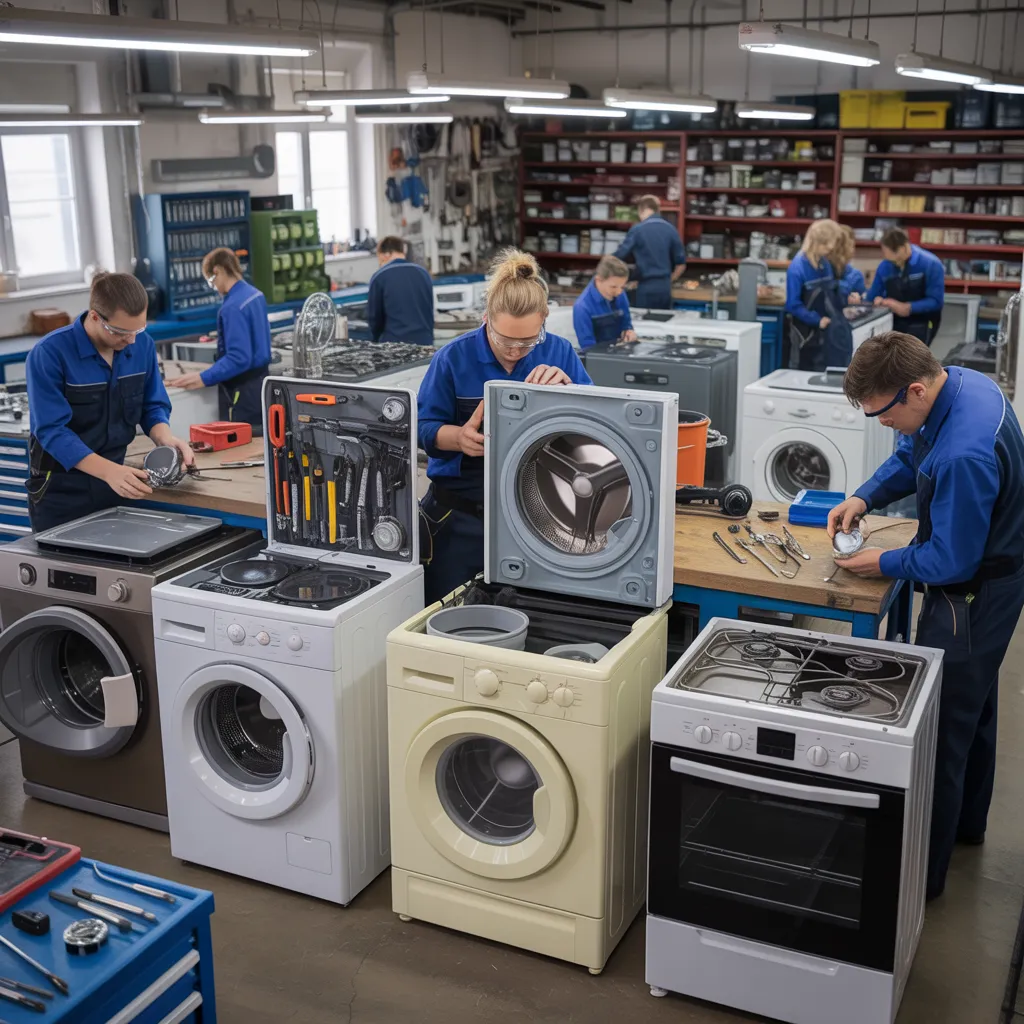
Recognizing Frequent Appliance Issues
Numerous households encounter appliance issues at some point, making it important to identify common issues as soon as possible. Household appliances like washing machines, refrigerators, and ovens can show symptoms of malfunction which, if left unaddressed, may cause more extensive damage. For instance, a refrigerator can fail to sustain an even temperature, leading to food spoilage. Washing machines can display unusual noises or leaks, indicating potential mechanical failure. Ovens might fail to heat uniformly or might not turn on altogether, causing frustrating cooking experiences. In addition, dishwashers can exhibit symptoms of inadequate cleaning results or drainage problems. Identifying these issues early can help save both time and money ultimately. Through understanding the typical symptoms associated with appliance failures, homeowners can take calculated steps about when to seek professional repair services, guaranteeing their appliances stay efficient and reliable.
How to Resolve Refrigerator Problems
When tackling refrigerator problems, recognizing frequent issues is the initial step toward resolution. Simple troubleshooting steps can often resolve minor issues, making it important to be familiar with these approaches. However, recognizing when expert assistance is needed can avoid additional complications and provide reliable resolutions.
Frequent Refrigerator Issues
Refrigerators are indispensable home appliances, and dealing with malfunctions can upset daily schedules. Frequent problems include inadequate cooling, where groceries may deteriorate from improper temperatures. Disruptive noises, including popping or buzzing, can point to mechanical problems. Moreover, water seepage can originate from obstructed defrost drains or worn door seals, causing risk of water-related harm. Another recurring concern is frost accumulation inside the freezer, which may result from a faulty thermostat or improper door closure. Lastly, foul smells can develop from spoiled food or a failing evaporator fan. Recognizing these typical refrigerator issues can assist homeowners in detecting problems promptly and pursuing suitable repair solutions to efficiently restore performance.
Easy Troubleshooting Steps
Detecting refrigerator faults can often be straightforward with a few simple troubleshooting steps. Initially, inspecting the power connection is important; ensuring the unit is properly connected and the socket is working can address a variety of concerns. Next, examining the temperature settings confirms they are properly set. If the refrigerator is too warm, examining the door seals for cracks or blockages can assist in preserving adequate temperature. Additionally, cleaning the condenser coils, typically located at the back or beneath the unit, can enhance performance. If frost builds up in the freezer, manual defrosting could be needed. Lastly, pay attention to strange sounds, as they can indicate mechanical problems. These simple measures can regularly aid in pinpointing and addressing frequent refrigerator concerns successfully.
When to Contact Experts
How can one determine when it's time to seek professional help for refrigerator problems? Factors that signal the need for specialist associated resource intervention include persistent temperature fluctuations, strange sounds, or water leaks. If standard diagnostic steps—like verifying the power connection and cleaning the condenser coils—proves ineffective in solving the issue, it may be advisable to reach out to an expert. Moreover, if the refrigerator is older and experiencing frequent breakdowns, opting for professional repair could prevent further costs. Uncommon issues such as defective compressors or electronic failures generally demand specialized knowledge and tools. Professionals not only diagnose problems effectively but also provide lasting remedies, making sure the appliance functions properly and safely. Identifying these indicators can save time and potentially prevent costly repairs.
Tips for Fixing Washing Machine Problems
While washing machines are built to last, they can encounter a range of issues that may interfere with their operation. To tackle typical malfunctions, users can first examine the power supply and ensuring that the appliance is powered and running correctly. If the machine fails to draw water, inspecting the water supply valves for blockages or leaks is essential. Furthermore, users should examine the door latch; a faulty locking mechanism can keep the appliance from turning on.
For machines that vibrate excessively, repositioning the leveling feet may help balance the machine. Consistent maintenance, like cleaning the filter and hoses, can also help avoid clogs and boost overall performance. Furthermore, when odd noises are detected, users should check that nothing is caught within the drum. By following these tips, individuals can often resolve minor washing machine issues before seeking professional repair services.
How to Detect Common Oven Malfunctions
What steps can homeowners take to diagnose common oven problems? To begin, they should verify the power source. Making sure the oven is properly connected and the circuit breaker remains intact is critical. Next, homeowners can inspect the temperature settings and confirm they are set correctly. If the oven isn't heating, it may be beneficial to test the heating elements for continuity using a multimeter.
Moreover, odd noises while running might point to a mechanical fault, warranting a thorough examination of the fan or motor. Homeowners ought to also inspect the door seal for signs of wear, because a damaged seal could reduce cooking effectiveness. Furthermore, looking for error codes on digital panels can help identify particular issues. By carefully examining these elements, homeowners can develop a stronger grasp of underlying issues, allowing them to convey their concerns accurately to appliance repair technicians when expert help is required.
Fixing Dishwasher Drainage Problems
Resolving dishwasher drainage issues necessitates thorough observation and systematic diagnosis. When a dishwasher does not drain as expected, it is commonly due to filters or drain hoses that have become blocked. The initial step involves inspecting the filter, since it is prone to gathering food particles and waste, restricting the flow of water. Cleaning the filter can resolve many drainage problems.
Next, evaluating the drain hose is important. A twisted or obstructed hose can prevent water from exiting the appliance. Verifying that the hose is unobstructed will aid in restoring adequate drainage. Moreover, evaluating the air gap, if present, can identify blockages that interfere with drainage.
In certain situations, the malfunction may be connected to the dishwasher's pump system. If the pump is not functioning properly, it may require expert repair assistance to assess and fix the issue. Prompt action can stop further damage and confirm the machine functions properly.
Why Delaying Appliance Repairs Is a Mistake
Putting off appliance repairs can result in significant consequences for homeowners. When appliances break down, even small problems can escalate into serious issues if not handled in a timely manner. For example, a small leak in a refrigerator can eventually cause mold growth, water damage, and higher energy bills. Additionally, disregarding warning signs often leads to a total failure, necessitating more expensive repairs or even replacement.
Additionally, malfunctioning appliances can pose safety risks, such as electrical dangers or fire risks resulting from defective wiring. Property owners may likewise suffer from various inconveniences, such as disturbed daily schedules and a declining standard of living. Immediate repairs not only reinstate normal function but also maximize the durability of appliances, consistently cutting expenses in the long term. Reaching out to appliance repair experts in a timely manner assures that concerns are evaluated thoroughly and resolved promptly, preventing further complications and preserving household safety.
Common Questions and Answers
How Can I Extend the Lifespan of My Appliances?
To extend the lifespan of appliances, routine maintenance is crucial. Cleaning, avoiding overloading, ensuring proper ventilation, and following manufacturer guidelines can substantially boost their reliability and effectiveness, thereby saving both time and money over time.
Is It Safe to Perform DIY Repairs on All Appliance Types?
DIY repairs cannot be considered universally safe across all appliance types. While some minor issues can be addressed independently, complex repairs often require professional expertise to prevent safety hazards and further damage to the appliance.
How Do I Know When I Need Professional Appliance Repair?
Warning signs that suggest professional appliance repair is needed encompass unusual noises, leaks, failure to start, inconsistent performance, and error codes. Early attention helps avoid further harm and keeps appliances running effectively and securely.
What Is the Typical Cost of Appliance Repair Services?
The typical cost for appliance repair services is between $100 and $300, depending on the issue and appliance type. Elements like necessary parts, the complexity of labor, and geographic location can significantly impact the overall cost.
Does Regular Maintenance Help Avoid Appliance Issues?
Consistent maintenance can significantly prevent appliance problems by guaranteeing optimal performance and identifying potential problems early. This forward-thinking approach reduces the likelihood of high-cost repairs and extends the lifespan of residential appliances.