Your Definitive Guide to Appliance Repair: Explore the Critical Services You Need to Know About
The field of appliance repair is frequently neglected until a major breakdown happens. Early intervention can help avoid expensive replacements and ensure appliances function properly. Understanding when to seek professional help versus attempting DIY repairs is crucial. Additionally, regular maintenance can significantly prolong the life of your appliances. Despite this, a large number of homeowners are still uninformed about the essential services that can have a significant impact. Examining these considerations can illuminate the path to ideal appliance care.
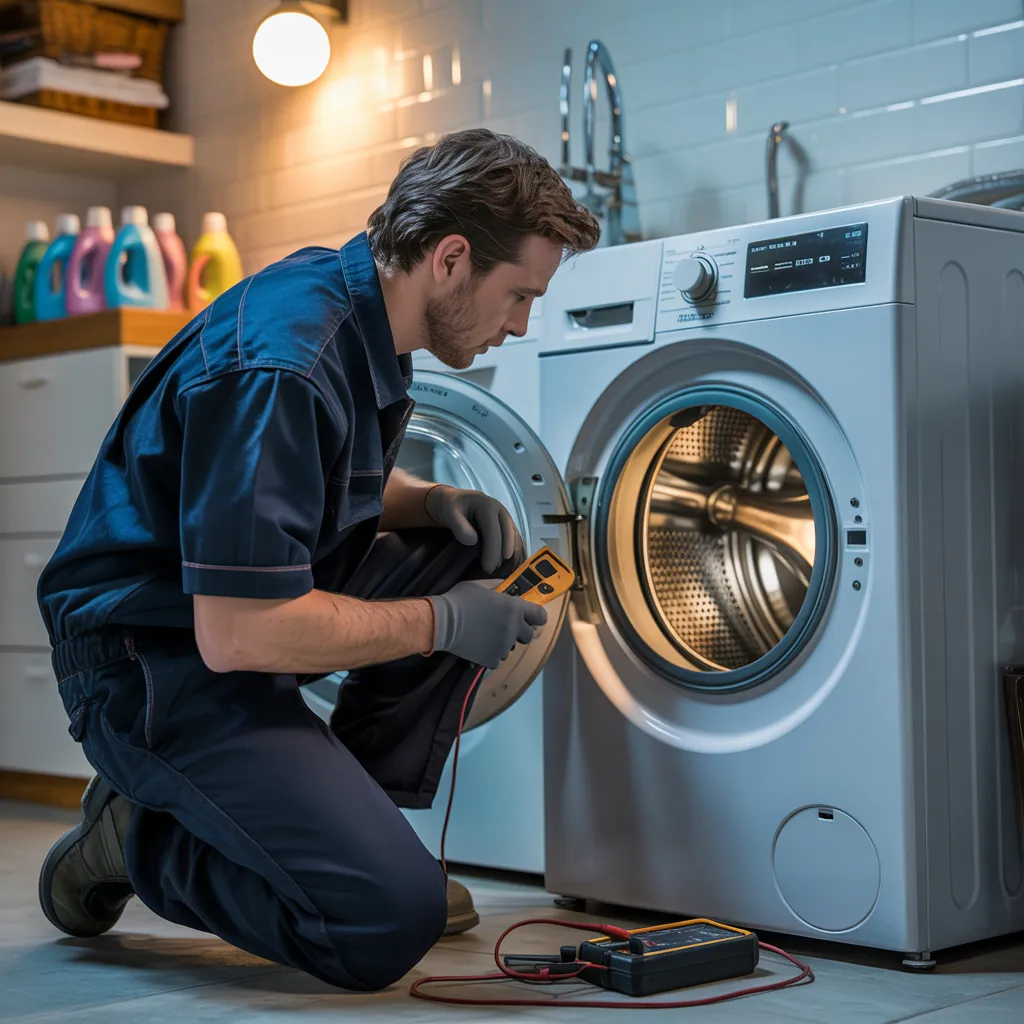
Why Timely Appliance Repair Matters
Prompt appliance repair is critical, as overlooking concerns can cause more severe issues and costly repairs. Many homeowners tend to disregard minor appliance issues, believing they will fix themselves over time. Nevertheless, minor problems, such as unusual sounds or erratic performance, may signal deeper underlying issues that demand prompt attention. Resolving these issues in a timely manner can extend the longevity of appliances and improve their performance.
Furthermore, addressing repairs on time can prevent serious hazards, such as electrical failures or gas leaks, which present dangers to the home. Scheduled maintenance and timely responses to minor issues can spare homeowners from surprise costs and unnecessary trouble. More often than not, taking preventive action on repairs proves cheaper than letting appliances fully fail. Accordingly, recognizing the value of prompt appliance repair not only protects home operations but also brings peace of mind to homeowners.
Essential Appliance Issues to Resolve
While many homeowners may underestimate appliance issues, particular urgent matters need swift intervention to prevent further damage. To illustrate, a malfunctioning refrigerator can cause food deterioration, creating potential health hazards. If the appliance is not explanation cooling properly, it is critical to investigate the cause, be it a damaged compressor or an obstructed ventilation pathway.
Similarly, a washer leaking water can lead to severe floor damage and mold growth. Residents should address any leaks immediately to prevent such expensive fixes. Moreover, appliances powered by gas, such as gas stoves and dryers, demand swift action if they show strange smells or struggle to ignite. These problems can signal dangerous gas leaks, representing major safety threats.
Finally, a dishwasher that fails to drain can result in standing water, inviting pests and producing unpleasant odors. Understanding these important appliance failures can spare homeowners time, money, and stress in the future.
Deciding Between DIY and Professional Repairs
When confronted with appliance problems, individuals must weigh the advantages of DIY repairs versus professional help. This determination commonly relies on a person's technical ability and the duration required to accomplish the work, alongside the associated costs. A detailed consideration of these aspects can produce a more knowledgeable conclusion.
Assessing Your Skill Level
How does one decide whether to approach an appliance repair independently or to seek the assistance of a professional? Making this determination relies on gauging one's expertise and comprehending the scope of the repair needed. Individuals should first assess their familiarity with similar tasks and tools required for the job. If the repair involves basic components, such as changing a filter or unclogging a drain, a DIY approach may be feasible. Nevertheless, more complicated concerns, like electrical faults or mechanical defects, generally call for advanced knowledge and professional experience. Additionally, individuals should consider their comfort level with troubleshooting and the potential risks involved. An honest assessment of one's abilities can help determine whether to move forward alone or pursue expert help for a dependable result.
Cost Versus Time Analysis
Determining whether to pursue a DIY repair or hire a professional commonly relies on a comprehensive cost and time assessment. Homeowners should compare the cost of components and equipment for a DIY solution against the charges of hiring professionals. Although DIY repairs might appear cost-effective, they can require considerable time and energy, especially when the individual has limited experience. In contrast, professionals bring knowledge and swift execution but demand a higher financial investment. Furthermore, the possibility of causing additional damage during a DIY effort can result in higher costs. Ultimately, a careful assessment of personal skill level, available time, and budget constraints will guide the decision, helping homeowners arrive at a well-considered decision suited to their unique situation.
Essential Tools for DIY Appliance Repair
A properly stocked toolbox is essential for those looking to successfully complete DIY appliance repairs successfully. Key tools include a set of screwdrivers, both flathead and Phillips, which are necessary for accessing appliance interiors. Pliers, particularly needle-nose and adjustable types, assist with gripping and handling various components. A multimeter is invaluable for diagnosing electrical issues, providing the ability to measure voltage, current, and resistance.
Additionally, a socket set delivers the adaptability needed for different nut sizes and is especially valuable for fastening or extracting bolts. A utility knife can assist in cutting wires or opening appliance casings, while a level confirms that appliances are set up properly. To conclude, having extra components, such as fuses and gaskets, can minimize delays during repairs. With these critical tools, individuals can effectively handle appliance concerns and develop their repair abilities effectively.
Identifying the Best Appliance Repair Solutions
When looking for appliance repair solutions, it is important to verify the credentials and experience of potential providers. Consumers should also review rates and provided services to ensure they get good value for their money. Moreover, inquiring about warranties and assurances can give confidence regarding the quality of the repairs.
Validate Credentials And Experience
Verifying the certifications and background of appliance maintenance specialists is crucial for guaranteeing reliable results. Homeowners should seek specialists holding proper credentials and qualifications, as these indicators reflect their skill and dedication to their craft. Confirming proper licensing and insurance is likewise necessary, as this shields both the service provider and the property owner in case of accidents or damages. Moreover, technicians with extensive experience are more likely to diagnose and resolve issues efficiently, minimizing the chances of recurring service calls. Customer reviews and testimonials can provide insight into a technician's reliability and workmanship. By carefully evaluating prospective technicians, homeowners can make informed decisions and improve the likelihood of successful outcomes.
Compare Pricing And Services
Once verifying the credentials and experience of candidate service providers, property owners can start to compare pricing and services offered by different appliance repair providers. It is essential to gather multiple quotes to identify a fair market rate, as prices can vary greatly. Property owners should assess what each service includes, such as diagnostic fees, labor costs, and parts pricing. Additionally, some providers may offer promotional offers or reduced rates for initial customers. Understanding these elements allows homeowners to reach well-founded conclusions, making certain they secure professional results without unnecessary expenses. It is recommended to review customer reviews and testimonials, as these insights can further guide the selection process, emphasizing the dependability and quality of different maintenance providers.
Review Warranty And Guarantees
How can homeowners guarantee they receive the best value from appliance repair services? A critical step involves reviewing the warranties and guarantees provided by repair companies. A trustworthy service provider ought to offer warranties covering both parts and labor, ensuring that any issues arising shortly after repair are addressed without additional costs. Homeowners ought to ask questions regarding the duration of such warranties, because lengthier warranty periods generally suggest stronger confidence in the service provided. Moreover, gaining a clear understanding of the guarantee details can assist homeowners in avoiding common pitfalls, such as hidden fees or restrictions. By prioritizing companies that stand behind their work, homeowners can enjoy peace of mind while getting the most out of their appliance repair investment.
Preventive Maintenance for Durable Appliances
Regular preventative maintenance can significantly prolong the lifespan of home appliances. By adopting routine checks and minor repairs, homeowners can spot concerns before they become serious. To illustrate, maintaining refrigerator coils and examining door seals can enhance energy efficiency and prevent breakdowns.
In addition, cleaning filters to maintain washing machines and descaling dishwashers can reduce the risk of expensive damage. Consistently monitoring hoses and connections is essential for preventing leaks and water damage.
Additionally, swapping out deteriorated pieces, such as belts, gaskets, and similar components, can guarantee appliances operate smoothly. Homeowners should also follow the manufacturer's recommendations for specific maintenance schedules.
Putting time into preventive care extends appliance lifespan while also enhancing performance and efficiency, which ultimately leads to savings on utility bills. By prioritizing these practices, homeowners can count on their appliances to perform reliably for many years, reducing the need for frequent repairs or replacements.
Common Questions and Answers
How Do I Find Out if My Appliance Has Warranty Coverage?
To find out if an appliance is covered by warranty, you should review the purchase receipt for warranty information, visit the manufacturer's official website, or contact customer service for verification using the appliance's model number and purchase date.
What Are the Most Common Indicators That an Appliance Needs Fixing?
Key signs that an appliance may need repair consist of unusual noises, inconsistent performance, leaks, error codes, and frequent cycling. Additionally, excessive energy bills or failure to operate can indicate underlying issues requiring professional attention.
Are There Safety Measures to Follow for DIY Repairs?
Safety precautions for DIY repairs consist of removing appliances from power sources, wearing protective gear, ensuring proper ventilation, and referring to instruction manuals. Furthermore, it is essential to never combine water and electrical components at the same time to prevent accidents and injuries.
What Are the Best Ways to Lower Appliance Repair Expenses?
To reduce appliance repair costs, one should perform regular maintenance, address minor problems on their own, research repair service rates, and consider warranty options. Staying informed about frequent appliance issues can further help prevent expensive repairs down the line.
What Should I Do When an Appliance Is Leaking?
Should an appliance begin leaking, you should unplug it right away, shut off the water supply, and determine the origin of the leak. Contacting a qualified technician may be necessary to avoid additional damage or potential hazards.